
Can Children with Autism Experience Migraines? What Parents Should Know
Yes. Autism and migraines in children can occur together. Research has identified an association between autism and migraine, although scientists are still studying why these conditions may overlap.[1] This does not mean that autism causes migraine. Children with autism can experience the same headache disorders as other children.
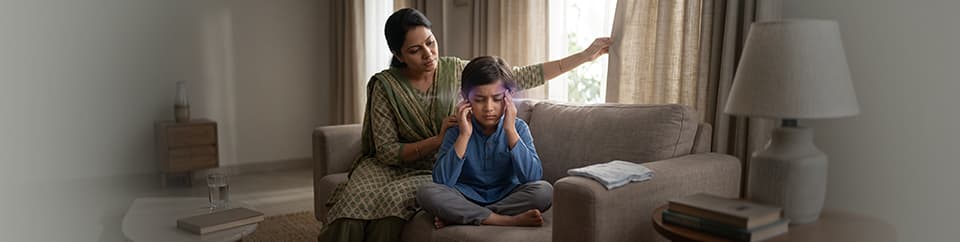
Yes. Autism and migraines in children can occur together. Research has identified an association between autism and migraine, although scientists are still studying why these conditions may overlap.[1] This does not mean that autism causes migraine. Children with autism can experience the same headache disorders as other children.
Migraine in children may include head pain, nausea, vomiting, dizziness, and sensitivity to light or sound. Children may not describe pain in the same way as adults.[2] The American Migraine Foundation's pediatric migraine guide provides an overview of symptoms and treatment considerations for children.
How Can Parents Recognize Migraine?
Recognizing migraine symptoms in nonverbal autistic children can be difficult when a child cannot describe head pain. Parents may notice changes from the child's usual behavior, such as irritability, withdrawal, crying, seeking a quiet or dark space, disrupted sleep, reduced activity, or changes in communication.[3]
Autism sensory issues and headaches can also make symptoms harder to interpret. Light sensitivity and sound sensitivity may appear as avoidance of bright rooms, covering the ears, or increased distress. These signs do not prove that a child has migraine, but they can help a clinician understand a change in behavior.
The American Migraine Foundation's information on migraine in children notes that children can experience light and sound sensitivity, nausea, vomiting, and other symptoms during migraine attacks.[2]
How Are Migraines Diagnosed in Autistic Children?
There is no single test that confirms migraine. A clinician considers the child's symptoms, medical history, examination, and pattern of attacks.[4] For children who communicate without speech, caregiver observations can provide important information. A 2025 systematic review found that pain assessment in autistic children should be personalized and include parent or caregiver input.[5]
Treatment depends on the child's age, symptoms, frequency of attacks, and medical history. Regular sleep and meals, hydration, trigger tracking, and a calm environment may support migraine management, while medication should be discussed with a pediatrician or pediatric neurologist.[4]
Speak with Our Specialists if your child has recurring headaches, unexplained behavioral changes, or possible migraine symptoms.
Frequently Asked Questions
Can children with autism experience migraines?
Yes. Autistic children can experience migraine, although the relationship between autism and migraine requires further research.[1]
How do you know if an autistic child has a migraine?
Look for changes from the child's usual behavior, along with possible head pain, nausea, vomiting, light sensitivity, sound sensitivity, withdrawal, or a need to rest.[2,3]
How do you tell if a nonverbal child has a headache?
Observe changes in facial expression, vocalization, activity, sleep, movement, eating, or behavior. Caregiver observations are important when a child cannot describe pain.[3,5]
What causes migraines in autistic children?
Migraine has multiple possible biological and environmental contributors. There is no established single cause specific to autistic children.[1]
Can sensory overload cause migraines?
Sensory stimuli such as bright light or loud sounds can act as migraine triggers for some children. However, sensory distress alone does not confirm migraine.[2]
How are migraines diagnosed in autistic children?
Diagnosis is based on the child's clinical history, symptoms, examination, and headache pattern. There is no single blood test or scan that diagnoses migraine.[4]
How can I help an autistic child with migraines?
Keep a record of symptoms and possible triggers, maintain regular sleep and meals, provide a quiet environment during attacks, and seek medical advice for recurring or severe headaches.[2,4]
References
- Autism and migraine: a narrative review. Cureus. 2024.
- American Migraine Foundation. Migraine in children.
- Pain communication in children with autism spectrum disorder: a scoping review. Paediatr Neonatal Pain. 2023.
- Headache care. Pediatr Rev. 2025.
- Pain assessment for children and adolescents with autism spectrum disorders: a systematic review. Encephale. 2025.